Co-founder of Chinese Zero to Hero. 10 years of experience in language education. From Shenzhen, China!
Whether you want to follow Chinese sports commentary, chat with Chinese friends about the matches, or just impress people at a watch party, these 12 vocabulary words will get you there.
世界杯来了!Learn 12 World Cup Vocabulary Words in Chinese
Chinese Zero to Hero · World Cup 2026
世界杯来了!
The World Cup Is Here. Learn 12 Essential Football Words in Chinese
HSK 3⚽ Football Vocabulary12 Words
Every four years, billions of people watch the same thing: the FIFA World Cup. This year the tournament is hosted across the United States, Canada, and Mexico.
Whether you want to follow Chinese sports commentary, chat with Chinese friends about the matches, or just impress people at a watch party, these 12 vocabulary words will get you there.
我们开始吧!(Wǒmen kāishǐ ba!) Let's begin!
📚 Vocabulary — 词汇表
01世界杯Shìjiè BēiWorld Cup
世界 means "world" and 杯 means "cup" or "trophy." Put them together and you have the name of the biggest sporting event on the planet.
Example sentence
Jīnnián de Shìjiè Bēi zài nǎlǐ jǔxíng?今年的世界杯在哪里举行?Where is this year's World Cup being held?
02足球ZúqiúFootball / Soccer
足 means "foot" and 球 means "ball." Simple and logical.
Example sentence
Wǒ hěn xǐhuān kàn zúqiú bǐsài.我很喜欢看足球比赛。I really like watching football matches.
03比赛BǐsàiMatch / Game / Competition
You'll hear this word constantly during the World Cup. It covers any kind of competition or game, not just football.
Example sentence
Jīnwǎn de bǐsài jǐ diǎn kāishǐ?今晚的比赛几点开始?What time does tonight's match start?
04进球Jìn qiúTo score a goal
进 means "to enter" or "to advance," and 球 is "ball"... the ball goes in. When a goal is scored, commentators shout 进球了!(Jìn qiú le!)
Example sentence
jiānádà duì jìn qiú le!加拿大队进球了!Canada's team scored a goal!
05球队QiúduìTeam
球 is "ball" and 队 means "team" or "group." The national team is specifically called 国家队 (guójiā duì).
Example sentence
Nǐ zhīchí nǎge qiúduì?你支持哪个球队?Which team do you support?
06裁判CáipànReferee
The person everyone argues with.
Example sentence
Qiúmímen juéde cáipàn de juédìng bù gōngpíng.球迷们觉得裁判的决定不公平。The fans thought the referee's decision was unfair.
07点球DiǎnqiúPenalty kick
点 refers to the penalty spot on the pitch. When a match goes to a shootout, it becomes 点球大战 (diǎnqiú dàzhàn) - literally "penalty kick battle."
Example sentence
Bǐsài jìnrùle diǎnqiú dàzhàn.比赛进入了点球大战。The match went to a penalty shootout.
08冠军GuànjūnChampion / Championship
冠 means "crown" — this word refers to both the winning team and the title itself. The most important word come the final.
Example sentence
Nǎge guójiā huì yíngdé guànjūn?哪个国家会赢得冠军?Which country will win the championship?
09球迷QiúmíFootball fan
迷 means "fan" or "enthusiast." You'll see it in other words too: 影迷 (film fan) and 歌迷 (music fan). Versatile and useful.
Example sentence
Hěn duō qiúmí cóng shìjiè gèdì lái kàn bǐsài.很多球迷从世界各地来看比赛。Many fans came from all over the world to watch the matches.
10平局PíngjúDraw / Tie
When neither team wins. 平 means "equal" or "flat," and 局 refers to a game or situation. Frustrating in a final, inevitable in a group stage.
Example sentence
Shàng bànchǎng jiéshù, bǐfēn shì píngjú.上半场结束,比分是平局。The first half ended in a draw.
11上半场Shàng bànchǎngFirst half
上 means "upper" or "first," and 半场 means "half of the match." Essential for following commentary. The opposite is 下半场 below.
Example sentence
Shàng bànchǎng Zhōngguó duì tī de hěn hǎo.上半场中国队踢得很好。China played very well in the first half.
12下半场Xià bànchǎngSecond half
下 means "lower" or "second." Together with 上半场, these two words will carry you through almost any match commentary you listen to.
Example sentence
Xià bànchǎng jìnle liǎng qiú.下半场进了两球。Scored two goals in the second half.
🗣️ Quick dialogue — 快速对话
A natural conversation using today's words
A
Jīnwǎn yǒu zúqiú bǐsài ma?今晚有足球比赛吗?Is there a football match tonight?
B
Yǒu! Shìjiè Bēi de xiǎozǔsài. gēlúnbǐyà duì pútáoyá.有!世界杯的小组赛。哥伦比亚对葡萄牙。Yes! A World Cup group stage match. Colombia vs. Portugal.
A
Nǐ juéde shuí huì yíng?你觉得谁会赢?Who do you think will win?
B
Hěn nán shuō, dàn wǒ zhīchí pútáoyá duì!很难说,但我支持葡萄牙队!Hard to say, but I support Team Portugal!
📝 Vocabulary summary — 词汇总结
#
汉字
Pinyin
English
01
世界杯
Shìjiè Bēi
World Cup
02
足球
Zúqiú
Football / Soccer
03
比赛
Bǐsài
Match / Competition
04
进球
Jìn qiú
To score a goal
05
球队
Qiúduì
Team
06
裁判
Cáipàn
Referee
07
点球
Diǎnqiú
Penalty kick
08
冠军
Guànjūn
Champion
09
球迷
Qiúmí
Football fan
10
平局
Píngjú
Draw / Tie
11
上半场
Shàng bànchǎng
First half
12
下半场
Xià bànchǎng
Second half
🎯 Your challenge this week
Next time you watch a World Cup match, try to use at least three of these words when you talk about the game, even if it's just in your head.
加油!⚽
5 High‑Frequency HSK Chengyu You Can Use Every Day
Ken D.
Co-founder of Chinese Zero to Hero. 10 years of experience in language education. From Shenzhen, China!
成语 (chéngyǔ) are like little packets of wisdom, four characters that can say more than a whole sentence. Native speakers use them to sound sharp, witty, and culturally connected, and they instantly signal that you really know the language. The secret? You don’t need to memorize 1,000 of them. Master just a handful of high‑frequency, everyday chengyu and you’ll start turning heads in conversations. Here are five you’ll actually hear regularly, and be able to use all the time.
1. 不可思议 (bù kě sī yì)
Meaning: “Unbelievable” / “Inconceivable.” Used for something surprising, shocking, or hard to believe.
A: 他三个月就学会了HSK 6的所有词汇。 B: 真是不可思议! (A: “He learned all HSK 6 vocabulary in just three months.” / B: “Unbelievable!”)
Learning these chengyu is like adding secret weapons to your conversations, they make you sound sharp, confident, and instantly more native‑like.
But knowing a few chengyu isn’t the same as truly speaking Chinese with ease. Real fluency takes consistent, structured learning that builds step by step.
That’s why we created the Ultimate Bundle — the complete roadmap from HSK 1 to HSK 6 and beyond:
1,000+ step-by-step video lessons
Practice exercises & quizzes
Downloadable study materials
Native speaker audio for pronunciation
So you don’t just know a few cool phrases, you become confident, fluent, and ready for real conversations in Chinese.
Use coupon code STARTNOW25 for 25% off lifetime access.
Common Phrases That Makes You Sound More Native
Ken D.
Co-founder of Chinese Zero to Hero. 10 years of experience in language education. From Shenzhen, China!
There are many casual phrases native speakers drop into daily conversations without even thinking about them. If you learn them and use them in your daily conversations, you’ll instantly sound more like a native speaker.
Below are 7 short expressions you’ll hear all the time in China but usually won’t find in textbooks or wordlists. Each one includes its meaning, a natural example, and an audio explanation.
1. 得了吧 (dé le ba)
Meaning: “Come on…” / “Yeah, right…” Used to express disbelief or to dismiss something.
A: 我今天要早睡。 B: “得了吧,你每天都说。”
(“Yeah, right... You say this everyday.”)
2. 你别说 (nǐ bié shuō)
Meaning: “You know what…” / “Actually…” Used to introduce a surprising fact or realization.
你别说,这家餐厅的面条真的很好吃。 (“You know what, the noodles here are actually really good.”)
3. 没门儿 (méi ménr)
Meaning: “No way!” / “Not a chance!” Strong, often playful rejection among friends.
A: 你能不能帮我写作业? B: 没门儿,你自己写! (A: “Can you help me with my homework?” / B: “No way! Do it yourself!”)
4. 那可不 (nà kě bù)
Meaning: “Of course!” / “Exactly!” Strong agreement when the answer is obvious.
A: “这家饭店的菜真好吃。” B: “那可不,我都来三次了。”
(“A: The food at this restaurant is really good. / B: Totally, I’ve already been here three times.”)
5. 算了 (suàn le)
Meaning: “Forget it” / “Never mind.” Dropping a topic or calmly accepting something won’t work out.
A: 要不要再试一次? B: 算了,太麻烦了。 (A: “Want to try again?” / B: “Forget it, it’s too much trouble.”)
6. 拉倒吧 (lā dǎo ba)
Meaning: “Give me a break.” / “Drop it.” Similar to 得了吧, often more blunt.
拉倒吧,你哪有那么多钱? (“Give me a break, like you have that much money.”)
7. 行了行了 (xíng le xíng le)
Meaning: “Alright, that’s enough.” Used to stop someone from talking or to move on.
A: 你怎么又迟到了?你总是... B: 行了行了,我知道了。 (A: “Why are you late again? You always...” / B: “Alright, that’s enough, I know.”)
Okay - let’s get serious for a second.
Dropping these phrases into conversation will make you sound more like a native, but sounding fluent and being fluent are different things. Real fluency takes consistent, structured learning that builds step by step.
That’s why we created the Ultimate Bundle — the complete roadmap from HSK 1 to HSK 6 and beyond:
1,000+ step-by-step video lessons
Practice exercises & quizzes
Downloadable study materials
Native speaker audio for pronunciation
So you don’t just know a few cool phrases, you become confident, fluent, and ready for real conversations in Chinese.
Co-founder of Chinese Zero to Hero. 10 years of experience in language education. From Shenzhen, China!
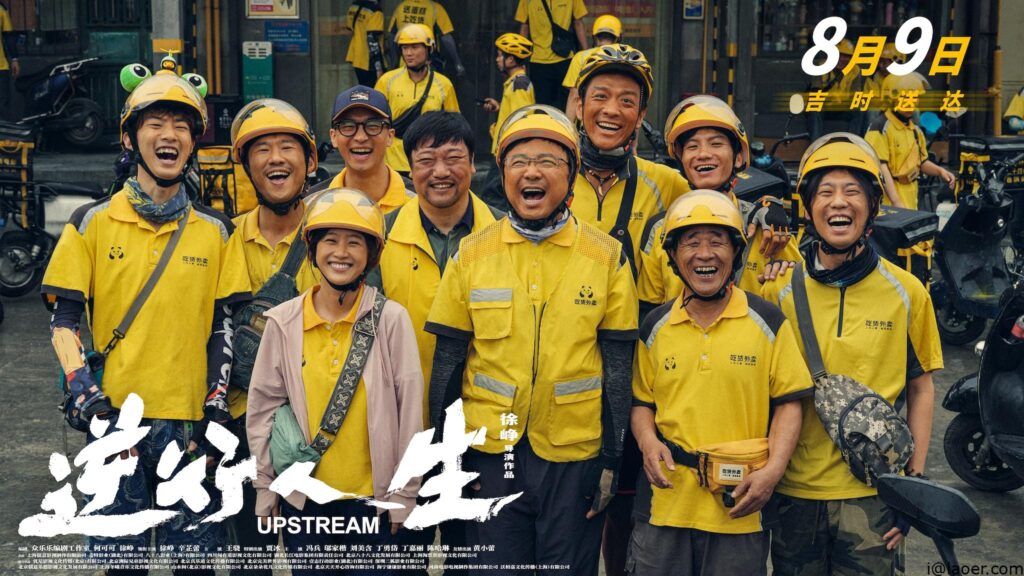
Food delivery, or "外卖" (wàimài) has become an integral part of urban life in China. Every day, delivery drivers, known as "骑手" (qíshǒu), work tirelessly to bring meals, drinks, and more to doorsteps across the country. Along with efficiency and convenience, they often deliver something more, stories of courage, kindness, and dedication.
Everyday Heroes on Two Wheels
Chinese delivery workers are known for their resilience. Take, for instance, the story of a delivery driver who saw a motorcycle crash and burst into flames. Without hesitation, he rushed over and pulled the driver to safety—saving a life. In other cases, drivers have jumped in to help overwhelmed restaurant staff by cooking, making dumplings, or even soothing crying babies while waiting for orders.
Why Is Food Delivery So Popular?
There are several reasons why food delivery has become a staple:
Convenience: No need to cook or go out, just a few taps on your phone and hot food arrives at your door.
Speed: Many deliveries arrive within 20 to 30 minutes.
Variety: From Chinese food to Western cuisine, bubble tea to desserts, you can get it all.
The Rise of the Platforms
Two major platforms dominate the Chinese market: Meituan and Ele.me. Since around 2014, these apps have grown explosively and are now essential to city life in China.
Life as a Delivery Rider
Despite the convenience it offers to customers, life for delivery riders is tough. Many work 10+ hours daily, battling the clock and elements. A common idiom used to describe their pace is “争分夺秒” (zhēng fēn duó miǎo), racing against every minute and second. Still, for many, it's a reliable source of income. In top cities like Beijing or Shanghai, monthly earnings can reach ¥8,000 to ¥10,000 RMB.
Challenges in the Industry
Environmental Impact: The use of single-use plastics like containers and utensils contributes significantly to waste.
Stress and Safety: Long hours, weather extremes, and the pressure to deliver quickly can lead to accidents and mental fatigue.
Reflections from Society
The movie “逆行人生” (Upstream) spotlights the challenges faced by delivery workers. It follows a former programmer who turns to food delivery after failing to find work—shedding light on changing job markets and rising youth unemployment. Many young graduates, unable to find jobs, turn to delivery as a temporary solution to support themselves.
The Road Ahead
As rural areas and small towns join the delivery map, the future of food delivery continues to evolve. Will automation and drones replace human drivers? Or will we continue to see millions of hardworking individuals navigating our cities and towns, bridging convenience and community?
What’s your take? Is it a waste of education if a college graduate becomes a delivery driver? Would you consider doing it if you were out of work? Share your thoughts in the comments!
Key Vocabulary
Chinese
Pinyin
English
外卖
wàimài
food delivery
外卖员
wàimàiyuán
delivery worker
骑手
qíshǒu
delivery rider
平台
píngtái
platform
城市生活
chéngshì shēnghuó
urban life
高峰时间
gāofēng shíjiān
peak hours
稳定
wěndìng
stable
收入
shōurù
income
争分夺秒
zhēng fēn duó miǎo
to race against time (idiom)
环境问题
huánjìng wèntí
environmental issue
一次性塑料
yīcìxìng sùliào
single-use plastic
餐具
cānjù
tableware, utensils
压力
yālì
pressure, stress
危险
wēixiǎn
dangerous
逆行人生
nìxíng rénshēng
Against the Flow of Life (movie)
失业
shīyè
to be unemployed
农村
nóngcūn
countryside
中国的重要节日 - What are the Major Chinese Holidays?
Ken D.
Co-founder of Chinese Zero to Hero. 10 years of experience in language education. From Shenzhen, China!
China is a country rich in festivals. Throughout the year, there are many celebrations, some rooted in ancient traditions, others emerging in modern times. Let's explore the vibrant world of Chinese festivals and the culture behind them.
Watch this video if you don't want to read through this post.
Chūnjié (春节): The Grandest Traditional Festival
The Spring Festival, or Chūnjié (春节), is the most important traditional holiday in China. It marks the start of the Lunar New Year. In the days leading up to it, families clean their homes, hang red lanterns, and paste spring couplets 春联 (chūnlián) on their doors to welcome good luck.
On New Year's Eve, families gather for a big reunion dinner, featuring dishes like fish (symbolizing abundance), dumplings, and sticky rice cake 年糕 (niángāo). At night, fireworks and firecrackers fill the sky. Children especially love this holiday because they receive red envelopes 红包 (hóngbāo) filled with money, a symbol of blessings and luck.
Yuánxiāo Jié (元宵节): Lanterns and Togetherness
The first major festival after Spring Festival is the Lantern Festival, or Yuánxiāo Jié (元宵节), held on the 15th day of the Lunar New Year. People eat tāngyuán (汤圆), sweet glutinous rice balls symbolizing unity. At night, they carry lanterns and enjoy spectacular lantern displays. There's also the fun tradition of solving riddles written on the lanterns — guess correctly and you might win a prize!
Qīngmíng Jié (清明节): Honoring the Ancestors
In April, the Qīngmíng Jié (清明节), or Tomb-Sweeping Day, is a time to honor deceased ancestors. Families visit graves to clean them, offer flowers, and burn paper money as a sign of respect. It’s also a season of spring outings, blending remembrance with renewal.
Duānwǔ Jié (端午节): Dragon Boats and Sticky Rice
The Dragon Boat Festival, or Duānwǔ Jié (端午节), falls in May. People eat zòngzi (粽子), pyramid-shaped glutinous rice dumplings wrapped in bamboo leaves. Fillings vary — southerners tend to prefer savory, while northerners go for sweet.
Another highlight is the dragon boat races. These long boats are adorned with dragon heads and rowed in unison. Many cities host exciting races that draw large crowds and create a festive atmosphere.
Zhōngqiū Jié (中秋节): The Festival of Reunion
The Mid-Autumn Festival, or Zhōngqiū Jié (中秋节), is celebrated on the 15th day of the eighth lunar month. It’s a time to admire the full moon and enjoy family gatherings. People eat yuèbǐng (月饼) — mooncakes — and drink tea while appreciating the beauty of the moon, which symbolizes longing and reunion. Gift-giving is also common, often in the form of fancy mooncake boxes.
Qīxī Jié (七夕节): Chinese Valentine’s Day
Qīxī Jié (七夕节), also known as the Chinese Valentine's Day, falls on the 7th day of the 7th lunar month. It is inspired by the romantic legend of the Cowherd and the Weaver Girl. Today, many couples celebrate by giving flowers and gifts to express love.
Double 11 (双十一): From Singles' Day to Shopping Spree
Among modern holidays, Double 11 (November 11th), or Guānggùn Jié (光棍节), stands out. Originally a day for single people (since "11.11" resembles four bare sticks), it has now become the biggest shopping day in China — like Black Friday in the West. E-commerce platforms offer massive discounts and people go on shopping sprees.
Traditional festivals help Chinese people stay connected to their culture and family values, while modern holidays bring excitement and variety to daily life.
中文
拼音
英文意思
春节
Chūn Jié
Spring Festival
农历新年
nónglì xīnnián
Lunar New Year
年夜饭
niányèfàn
New Year's Eve dinner
鞭炮
biānpào
Firecrackers
红包
hóngbāo
Red envelope
元宵节
Yuánxiāo Jié
Lantern Festival
汤圆
tāngyuán
Glutinous rice balls
清明节
Qīngmíng Jié
Tomb-Sweeping Day
端午节
Duānwǔ Jié
Dragon Boat Festival
粽子
zòngzi
Rice dumpling
龙舟
lóngzhōu
Dragon boat
中秋节
Zhōngqiū Jié
Mid-Autumn Festival
月饼
yuèbǐng
Mooncake
七夕节
Qīxī Jié
Chinese Valentine's Day
光棍节
Guānggùn Jié
Singles' Day
双十一
Shuāng shíyī
Double 11 (Shopping Festival)
4 Must-Watch Chinese Films with Subtitles on YouTube
Ken D.
Co-founder of Chinese Zero to Hero. 10 years of experience in language education. From Shenzhen, China!
If you're looking to immerse yourself in Chinese language and culture while enjoying some incredible storytelling, you're in the right place! A few weeks ago, I recommended some great Chinese films (On YouTube), and the response was amazing. So today, I'm excited to share even more fantastic Chinese movies that are all available for free on YouTube with subtitles. Whether you're learning Mandarin or just love good cinema, these films are sure to captivate you.
Watch this video if you don't want to read through this post.
1. 我不是药神 (Dying to Survive)
The first film on the list is Dying to Survive. The story centers around a struggling salesman in Shanghai who runs a barely legal health product shop. When he learns about a cheaper generic drug from India that can save leukemia (白血病) patients, he takes a risky step to import it illegally. Many patients cannot afford official treatments due to the absurdly high costs, and soon, hundreds and thousands of poor patients depend on him.
The title literally translates to "I am not the god of medicine" (药神, Yào Shén). This highlights the protagonist's inner conflict — he wants to make money and help people but doesn't view himself as a savior. Based on real events, the film critiques the healthcare system and pharmaceutical greed while portraying a deeply moving human story. Although it includes some Shanghai dialect, it's primarily in Mandarin. With a very high Douban rating, this film is an excellent choice for learners looking to challenge themselves while gaining insights into modern Chinese society.
2. 落叶归根 (Getting Home)
Next up is Getting Home (落叶归根), released in 2007. The title is a beautiful idiom symbolizing people returning home at the end of life, touching on themes of aging, belonging, and homecoming.
The story follows a man who, after the sudden death of his friend, embarks on a journey to carry his friend's body back to his remote hometown. Traveling mostly by foot and bus across China, he encounters a rich tapestry of strangers, each adding humanity to his journey. Although the premise may sound somber, the film is filled with warmth, charm, and compassion.
You'll also get exposed to various Chinese dialects, like Dongbeihua (northeastern accent), along with a variety of conversational Mandarin. It's a wonderful choice for learners interested in hearing real-world, everyday Chinese.
3. 城南旧事 (My Memories of Old Beijing)
For those who enjoy a nostalgic, slower-paced film, My Memories of Old Beijing (1983) is a gem. Based on the autobiographical writings of Lin Hai-Yin, a Taiwanese-born author who spent her childhood in Beijing, the movie offers a vivid portrait of life in 1920s Beijing through the eyes of a young girl named Yingzi (英子).
As Yingzi observes her family, neighbors, and the world around her, she slowly begins to grasp the complexities of adulthood. The Mandarin spoken in this film is notably slower and very clear, making it accessible for language learners — though subtitles might only be available in Chinese or English. For advanced learners, this film is a wonderful opportunity to deepen your listening skills while enjoying a touching story about innocence and growing up.
4. 热辣滚烫 (YOLO, 2024)
Last but not least is the fresh hit YOLO (热辣滚烫), released in 2024. This motivational, feel-good film follows a woman at rock bottom: no job, no confidence, and no direction. Seeking change, she steps into a boxing gym and throws herself into training. As she grows stronger physically and mentally, she rediscovers her worth and reconnects with life.
Directed and starred by Jia Ling, who famously lost over 50kg for the role, YOLO became China's highest-grossing film of 2024. Jia Ling also directed another beloved film recommended in a previous video, Hi, Mom (小姐你好).
YOLO features everyday, casual Mandarin, making it a great watch for learners aiming to understand contemporary spoken Chinese.
Boost Your Chinese Learning!
To get even more serious about your Chinese learning journey, be sure to check out Language Player. It lets you watch tens of thousands of videos with interactive subtitles, save common words and phrases, and explore hundreds of movies, TV shows, and books in multiple languages.
For a structured, systematic path to Mandarin fluency, our courses at Chinese Zero to Hero follow the official HSK curriculum — complete with grammar lessons, vocabulary, listening, and reading exercises. As a special bonus, use our viewer coupon code at checkout for a nice discount!
Conclusion
That's it for today's recommendations! Which one are you most excited to watch?
Happy watching and happy learning!
The Best Chinese Dramas to Watch — And Where to Find Them
Ken D.
Co-founder of Chinese Zero to Hero. 10 years of experience in language education. From Shenzhen, China!
Chinese dramas have exploded in popularity in recent years. And if you’re learning Mandarin, they’re not just entertaining—they’re an incredible way to increase your comprehensible input. Binge-watching great stories while soaking in authentic Chinese? Yes, please.
In this post, I’ll introduce you to some of the top platforms for streaming Chinese dramas internationally, and I’ll also share must-watch series that came out in the last few years.
Watch this video if you don't want to read through this post.
Where to Watch Chinese Dramas (Outside China)
If you're outside of China, these platforms are your best bet:
1. YouTube
Yes, YouTube! Many Chinese dramas are uploaded in full by official TV show channels, often with both Chinese and English subtitles. It's a fantastic (and free) way to binge high-quality content legally. Just search for the drama name, or try channels like Tencent Video, MangoTV, or Huace Global Fun.
2. iQiyi
This is one of China’s biggest streaming platforms, and it also has an international version with English subtitles for many of its shows. It features not only dramas but also documentaries, variety shows, and more from China.
3. WeTV
Owned by Tencent, WeTV often premieres original Chinese dramas and makes many of them available for free. Some shows are also cross-listed on other platforms, making it a reliable source for trending content.
4. Viki
One of the most popular platforms for watching Asian dramas, Viki offers a large collection of Chinese shows. Subtitles are available in multiple languages, making it a great platform for learners. While some episodes are free, unlocking the full library requires a subscription.
5. Douban
While not a streaming platform, Douban is a key tool in your drama-watching journey. It's where Chinese users post reviews, ratings, and discussions on dramas, movies, and more. Use it to discover hidden gems or see what native audiences are loving right now.
Must-Watch Chinese Dramas
1. Reset (开端)
This time-loop thriller follows a young woman and a man stuck reliving a bus explosion over and over. Each time they die, they restart at the beginning and must figure out how to break the loop before time runs out. A gripping mix of action, psychological tension, and character development.
2. The Bad Kids (隐秘的角落)
This psychological crime drama became a cultural hit during the COVID lockdowns. Three kids accidentally film a murder while playing with a camera, setting off a suspenseful chain of events. Expect deep characters, eerie atmosphere, and plenty of mystery.
3. Joy of Life (庆余年)
A genre-blending mix of historical drama, comedy, and time travel. A modern man wakes up in an ancient kingdom with knowledge from the future and uses his wit to navigate palace conspiracies and uncover secrets about his past. Season 1 was a massive hit, and Season 2 dropped recently.
4. The Long Season (漫长的季节)
This slow-burn thriller is set in a small town and centers on a mystery that has haunted the characters for a decade. It explores fate, regret, and the passage of time with strong emotional storytelling and a haunting tone.
5. Word of Honor (山河令)
A wuxia (martial arts) drama that’s hugely popular among international fans. It tells the story of two martial artists with troubled pasts who form a bond while navigating the dangerous martial arts world. Beautifully choreographed fight scenes and poetic dialogue make it stand out.
6. The Three-Body Problem (三体)
Based on Liu Cixin’s award-winning sci-fi novel, this adaptation follows humanity’s first contact with an alien civilization. A must-watch for sci-fi fans, especially if you’ve seen the Netflix version—this one stays closer to the original story and themes.
7. The Untamed (陈情令)
Based on the hit novel Mo Dao Zu Shi, this fantasy drama is set in a magical world of powerful clans and cultivators. Two characters uncover a dark conspiracy threatening the balance of their world. With epic scenery, strong emotional storytelling, and an international fanbase, it’s one of the most iconic Chinese dramas ever made.
For more structured learning, check out our HSK courses at chinesezerotohero.com. We cover grammar, vocab, listening, and reading in a step-by-step system designed for real progress.
What Do You Recommend?
The more input you get, the faster you'll improve—and Chinese dramas are one of the most fun ways to do it.
Thanks for reading—and happy watching!
4 Chinese Social Media Apps You Should Be Using to Improve Your Mandarin in 2025
Ken D.
Co-founder of Chinese Zero to Hero. 10 years of experience in language education. From Shenzhen, China!
If you’re learning Chinese with our HSK courses, then you’re already building a strong foundation through systematic study. But to take your Mandarin to the next level—and get there faster—you need to surround yourself with real, authentic Chinese content. That’s where Chinese social media comes in.
In this post, we’ll introduce you to four of the most popular Chinese social media platforms in 2025. These apps not only make learning more immersive, but also more fun. Best of all, most of them are easy to sign up for and don’t require a Chinese phone number.
Watch this video if you don't want to read through this post.
1. Xiaohongshu (小红书) – The Lifestyle Powerhouse
Xiaohongshu, also known as RED, is one of the most popular lifestyle and community-based apps in China. Many Americans even flocked to it during the temporary TikTok ban, earning themselves the nickname “TikTok refugees.” Although many left once TikTok was unbanned, Xiaohongshu continues to grow rapidly.
Think of it as a mix between Instagram and Pinterest, but with strong community vibes—like Reddit. Users share posts on everything from travel, food, fashion, and beauty to niche interests like language learning. It’s a great platform for short-form reading and casual video content in Mandarin.
Many posts are written in a conversational style and are often paired with visuals, making them perfect for language learners. Whether you're into photography, fitness, cooking, or film, the algorithm quickly learns your interests and fills your feed with relevant content. It’s also a great place to make friends and engage with other Chinese learners.
Even my mom loves using Xiaohongshu to find recipes and restaurant recommendations—proving it appeals across generations. Personally, it’s my favorite Chinese social media app, and I use it regularly.
2. WeChat Channels – A Hidden Gem Inside China’s Super App
You probably already have WeChat on your phone, especially if you’ve spent time in China. But there’s a feature inside WeChat that many users overlook: WeChat Channels.
WeChat Channels is similar to TikTok or Instagram Reels—it’s where you’ll find tons of short, engaging Chinese videos. Whether you’re into comedy, lifestyle vlogs, or educational content, the algorithm will show you more of what you engage with. It’s an easy way to sneak Mandarin practice into your everyday scrolling.
My dad is always on WeChat Channels, watching funny skits and videos. And if it's good enough for him, it’s probably good enough for you too!
Bonus: Structured Learning with Chinese Zero to Hero
Before we continue, if you're looking for structured Mandarin lessons, don’t forget about our HSK courses. We cover grammar, vocabulary, listening, reading, and more in a clear, step-by-step format. You can preview the first lesson of any course for free.
For even more language input, check out our Language Player app. It lets you:
Watch videos with interactive subtitles
Save and review common words and phrases
Explore movies and TV series in over 200 languages
3. Douban (豆瓣) – For Deep Thinkers and Discussion Lovers
If you’re more into reading and thoughtful discussions, Douban is for you. It’s like Reddit, Goodreads, and Letterboxd combined—a hub for movie buffs, book lovers, and art fans.
Douban hosts tons of user-generated reviews, discussion boards, and long-form content across a wide range of topics. The language here tends to be more expressive and closer to how people naturally write or speak online—perfect for intermediate learners trying to level up their reading skills.
Whether you're analyzing a film or diving into a book review, Douban gives you rich exposure to real-world Chinese in context.
4. Bilibili (哔哩哔哩) – The YouTube of China
Bilibili is often referred to as the “YouTube of China,” and for good reason. It’s packed with videos on everything from tech and travel vlogs to anime, documentaries, and education.
One of the best things about Bilibili for learners? Most videos come with Chinese subtitles, which make following along and practicing your listening skills much easier. I personally love watching gadget reviews, travel content, and updates on Chinese tech trends.
Another cool feature is danmu (弹幕)—live viewer comments that fly across the screen during the video. It’s a fun way to see how native speakers react and express themselves in real-time.
Many Chinese creators upload to Bilibili first and only later re-upload to YouTube. So if you really want to explore the heart of Chinese creator culture, start here.
Honorable Mentions: Douyin and Weibo
Douyin (the original Chinese version of TikTok) and Weibo (China’s Twitter equivalent) are two of the most-used social platforms in China. However, they come with a major catch: you typically need a Chinese phone number to register.
That makes them a bit harder to access for foreign learners. But if you ever manage to get an account, they offer incredible insights into daily Chinese life, news, trends, and internet culture.
Final Thoughts
So, which Chinese social media apps do you use—or want to try out?
Thanks for reading—and happy studying!
Free Download: HSK Vocabulary Poster – Track Your Progress!
Learning Mandarin? Keeping track of all the words you’ve learned is a great way to stay motivated! That’s why we’ve created a free, beautifully designed HSK vocabulary poster that you can download, print, and use as a visual learning tool.
📥 Download Your Free HSK Word List Poster
Click below to download your free PDF and start tracking your progress today!
P.S. Share a photo of your printed poster on social media and tag us @ChineseZeroToHero – we’d love to see it in action!
Learn Chinese Online for Beginners: Your First Step to Mastery
Learning a new language can be daunting, especially one with as rich and complex a history as Chinese. But fret not, budding linguist! The digital age brings resources to your fingertips, making it easier than ever to dive into the world of Mandarin. If you're a beginner looking to embark on this linguistic journey, you're in the right place. We're here to guide you through your first steps in learning Chinese online.
Why Learn Chinese?
China's growing influence on the global stage makes Mandarin, its official language, increasingly relevant. With over a billion speakers worldwide, it's not just a language of business, but also of culture, history, and art.
Starting with the Basics: HSK 1
Before diving into the vast sea of the Chinese language, it's crucial to start with a solid foundation. The Hanyu Shuiping Kaoshi (HSK) is an internationally recognized standard for Mandarin Chinese proficiency. HSK 1 is the starting point, designed for beginners.
Lucky for you, Chinese Zero to Hero offers a comprehensive HSK 1 video course. Our curriculum ensures you grasp the basics of Mandarin phonetics, tones, and essential vocabulary. Each lesson is crafted to be engaging, with real-life examples, making your learning process both fun and effective.
Tips for Beginners
Consistency is Key: Set aside time each day to practice. Even 20 minutes daily can make a significant difference.
Practice Listening: Use tools like Language Player to watch videos with interactive subtitles. It aids in improving comprehension.
Engage with the Community: Join forums, online groups, or language exchange meet-ups to practice speaking and make friends.
Flashcards: Use apps or traditional cards to memorize vocabulary.
Stay Curious: Explore Chinese music, movies, and literature to enrich your learning experience.
The Journey Ahead
Remember, every expert was once a beginner. With the vast resources available online, especially our HSK 1 video course, you're well on your way to becoming fluent in Chinese. Embrace the challenges, celebrate the milestones, and enjoy every moment of your linguistic journey.